Egypt is one of those timeless places that captures the imagination: the land of pharaohs and pyramids, of mighty rivers and desert oases, of ancient tombs and grand temples. If you dream of venturing into history, seeing wonders that seem otherworldly, and feeling the weight of millennia beneath your feet—then Egypt is one of the safest, richest, and most awe-inspiring destinations to add to your bucket list.
Why Egypt still enchants
Egypt is more than just its famous pyramids. It’s a place where civilization’s earliest wonders live on, where the Nile still flows as it did thousands of years ago, and where every stone seems to whisper stories of dynasties, gods, and human ambition.
But for modern travelers, safety and planning matter. In recent years, Egypt has made concerted efforts to boost security, improve infrastructure, and promote tourism in a stable, visitor-friendly way. Many of the places I’ll recommend are among the most visited and best maintained, with reliable guides, facilities, and relative ease of access.
The AmaWaterways itinerary you shared is one of several cruise- or river-based programs that let you experience Egypt via the Nile, combining guided shore excursions with comfortable lodging on the river. AmaWaterways These kinds of programs often focus on well-known, well-guarded sites, making them safer options for travelers who prefer structure and support.
Top “must-see” destinations in Egypt
Here are some of the iconic spots that are widely considered safe (relatively speaking) and deeply rewarding. Wherever you go, always follow local advice, travel with reputable guides, and stay aware of your surroundings.
1. Cairo and Giza Plateau
Why go: This is often the entry point for visitors and hosts Egypt’s most iconic monuments.
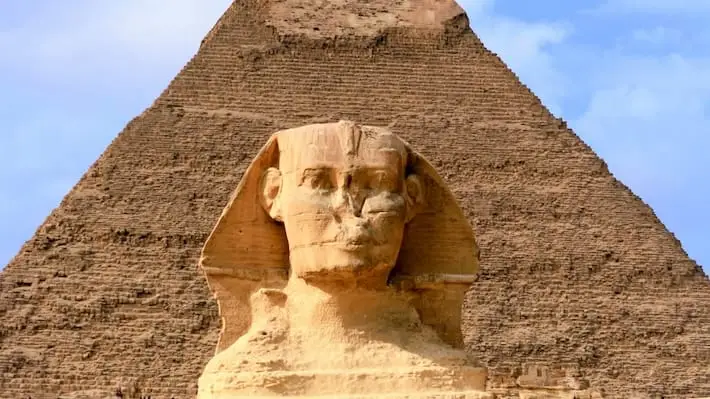
The Pyramids of Giza & the Great Sphinx — A trip to Egypt is incomplete without seeing the pyramids of Khufu, Khafre, and Menkaure, and the enigmatic Sphinx gazing across the desert.
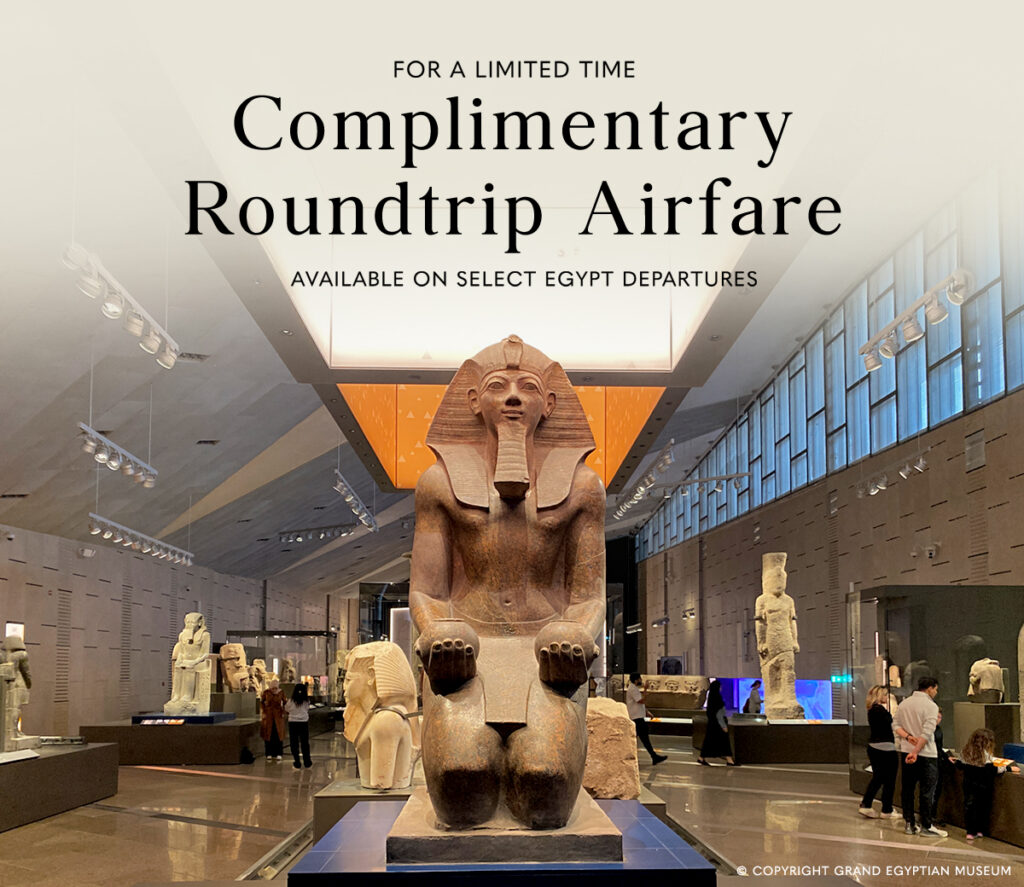
Egyptian Museum (Grand Egyptian Museum, newer facilities) — One of the world’s richest collections of Egyptian artifacts.
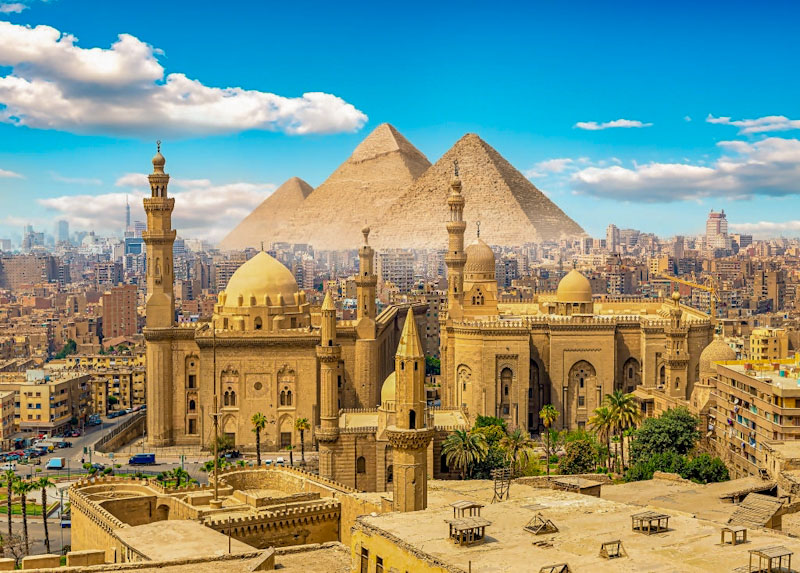
Coptic Cairo & Islamic Cairo — Churches, mosques, and lanes offering a quieter, contemplative side of Cairo beyond the bustle.
Khan el-Khalili bazaar — Historic market district, good for souvenirs and people-watching (but negotiate politely and stay alert).
The Giza plateau and greater Cairo area benefit from strong tourism infrastructure and regular security presence, making them among the safer first stops in Egypt.
2. Luxor (ancient Thebes) & the Nile Valley
Why go: Often called “the world’s greatest open-air museum,” the Luxor region is packed with temples and tombs.
Valley of the Kings — The tombs of the New Kingdom pharaohs (including Tutankhamun) cut deep into the cliffs.
Temple of Hatshepsut — A striking terraced mortuary temple rising out of the desert.
Karnak Temple Complex — Massive complex of chapels, pylons, and obelisks that took centuries to build.
Luxor Temple — Beautifully lit at night, and right in the town, making evening visits memorable.
Because many Nile cruises center around Luxor, the city is accustomed to tourism. Security is more visible, and many tours are escorted by licensed Egyptologists or guided by the cruise company.
3. Aswan & Nubian country
Why go: A more relaxed, scenic portion of the Nile, with strong cultural heritage.
Philae Temple — Dedicated to Isis, beautifully restored on an island in Lake Nasser.
High Dam & Lake Nasser — Engineering marvels with great views.
Nubian villages — For colorful houses, traditions, and a gentler pace of life.
Elephantine Island & botanical gardens — Nice walking, local history.
4. Abu Simbel & southern reaches
Why go: One of the boldest monuments in Egypt — carved directly into rock.
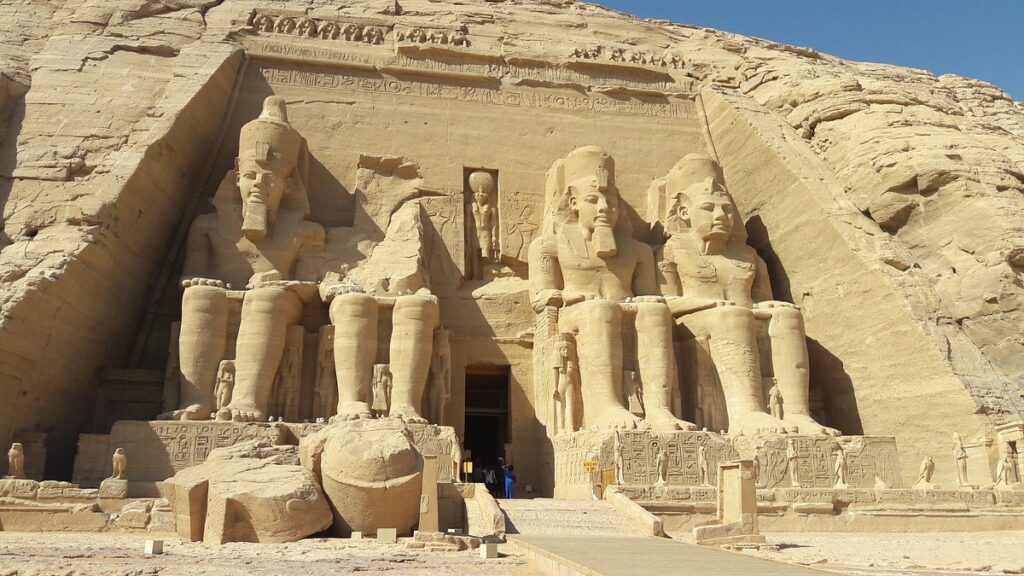
The twin temples of Ramses II and Nefertari — Enormous façades, dramatic interiors, and a story of relocation to save them from flooding by Lake Nasser.
Visiting Abu Simbel often involves a day trip from Aswan, typically with guides and secure transport. Because it’s a major highlight, it’s well-managed in tour circuits.
5. Red Sea & Sinai coasts
Why go: To relax, snorkel, dive, and escape from the intense archaeological tour pace.
Hurghada, Sharm el-Sheikh — Resorts, coral reefs, clear water.
Ras Mohammed National Park — Excellent marine life and snorkeling.
Mount Sinai / St. Catherine’s Monastery — Sacred and scenic, for those comfortable in desert terrain
These coastal and Sinai areas are generally well-patrolled in tourism zones, and many resorts operate as “all inclusive” enclaves with their own security and amenities.
6. Oases & off-the-beaten-path safe zones
If you’re seeking a quieter side of Egypt, there are some desert oases and remote areas that are relatively safe when traveled with experienced guides:
Siwa Oasis — Remote, beautiful, with springs, palms, and a unique cultural flavor.
White Desert / Bahariya Oasis — Otherworldly rock landscapes, camping under stars (again, best with reputable tours)
These areas require more planning and often rely on local guides, but they promise extraordinary landscapes and fewer tourists.
Tips for staying safe and getting the most out of your Egypt trip
Use guided tours or cruises. Programs like AmaWaterways or other Nile cruises handle logistics, guides, and many security precautions.
Stay in well-reviewed hotels/resorts. Tourist districts in Cairo, Luxor, Aswan, and coastal areas tend to be better protected and maintained.
Respect local customs. Dress modestly, especially at religious sites; ask before photographing people.
Check travel advisories. Stay current with your country’s travel alerts for Egypt regions; policies can evolve.
Stay connected. Use local SIM, always know your route, keep emergency contacts handy.
Hydrate, pace yourself. The desert and temples take a toll — rest often, carry water, wear sun protection.
If you went via an AmaWaterways-style itinerary, many of these segments are already planned; your job is to relax, immerse, and enjoy the guidance.
Why Egypt is still a “safe bet” for cultural travelers
The most popular tourist zones (Cairo, the Nile Valley, coastal resorts) have strong security and consistent oversight.
Many tours concentrate on well-maintained national monuments, enabling you to experience the grandeur without venturing into unsettled areas.
Egypt’s tourism industry is a major national asset; there’s strong motivation to keep visitors safe, comfortable, and impressed.
With the right guides and preparation, Egypt rewards adventurous and thoughtful travelers with some of the most breathtaking, moving experiences on Earth.